
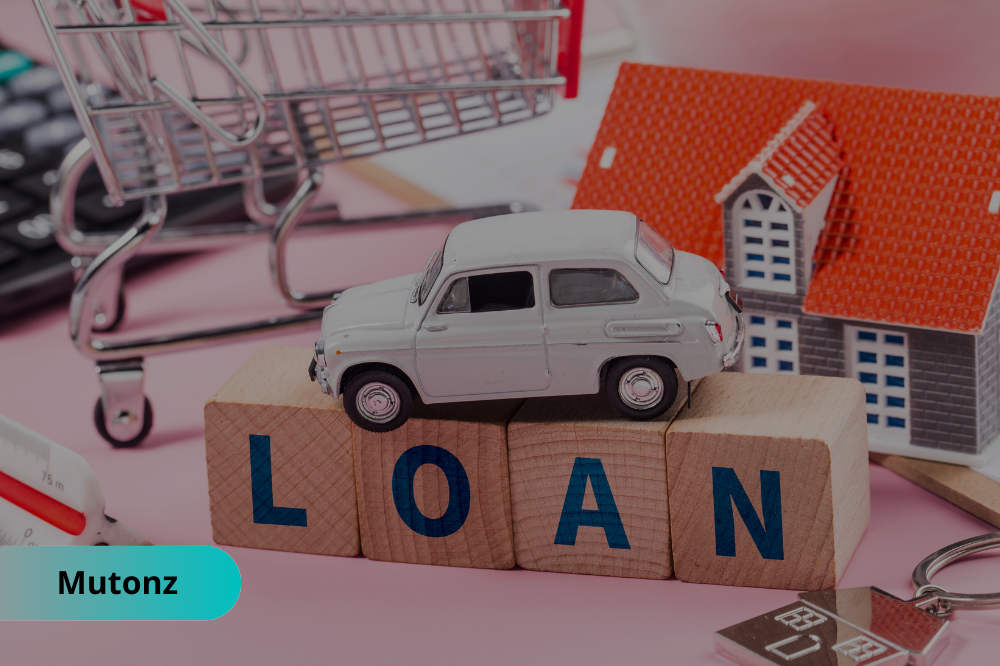
A secured loan allows borrowers to access credit by offering an asset as collateral, such as a home, vehicle or savings account. Because the lender has a way to recover its losses if the borrower defaults, secured loans often come with lower interest rates and higher borrowing limits than unsecured loans.
That doesn't automatically make them the better choice. Before using your property as collateral, it's important to understand how secured loans work, their potential risks and the situations where they make the most financial sense.
What is a secured loan?
A secured loan is a type of borrowing backed by collateral.
The collateral is an asset the lender can claim if the borrower fails to repay the loan according to the agreement. This reduced lending risk is one of the reasons secured loans typically offer more favorable terms than unsecured personal loans.
Common examples of collateral include:
- A home or other real estate;
- A vehicle;
- A certificate of deposit (CD);
- A savings account;
- Investment accounts, when accepted by the lender.
The type of collateral accepted depends on the lender and the specific loan product.
How does a secured loan work?
The process is generally straightforward, although requirements vary by lender.
Most secured loans follow these steps:
- Submit a loan application.
- Provide information about the collateral.
- The lender evaluates both your credit profile and the asset.
- Receive a loan offer if approved.
- Sign the agreement.
- Receive the loan funds.
If the collateral requires an appraisal, the lender may use its current market value to determine how much you can borrow.
Why are secured loans usually cheaper?
Because the lender assumes less risk.
If payments stop, the lender may have the legal right to recover the outstanding balance by taking possession of the collateral, subject to the loan agreement and applicable laws.
Lower risk often allows lenders to offer:
- Lower interest rates;
- Higher loan amounts;
- Longer repayment terms;
- Lower monthly payments.
Even so, borrowers should compare the Annual Percentage Rate (APR), fees and total borrowing costs rather than focusing only on the advertised interest rate.
What can a secured loan be used for?
In many cases, secured loans can be used for almost any legitimate personal purpose.
Common reasons include:
- Home improvements;
- Debt consolidation;
- Major medical expenses;
- Business investments;
- Education costs;
- Large planned purchases.
Some loan products may have restrictions, so reviewing the lender's terms before applying is important.
What happens if you can't repay the loan?
This is the biggest risk of a secured loan.
If you default, the lender may begin the legal process to recover the collateral, depending on the loan agreement and state laws. The exact procedure varies based on the type of loan and the asset used as security.
Defaulting may also lead to:
- Damage to your credit score;
- Collection efforts;
- Additional fees;
- Difficulty obtaining credit in the future.
For that reason, secured loans should only be considered when the monthly payments comfortably fit your budget.
Secured loan vs unsecured loan
Both products provide access to financing, but they differ in several important ways.
A secured loan requires collateral, while an unsecured loan relies primarily on your creditworthiness and ability to repay.
Compared with unsecured loans, secured loans generally offer:
- Lower interest rates;
- Higher borrowing limits;
- Longer repayment periods.
However, unsecured loans eliminate the risk of losing a personal asset if financial difficulties arise, making them attractive for borrowers who qualify for competitive rates without providing collateral.
When does a secured loan make sense?
A secured loan can be a smart financial tool when used strategically.
It may be worth considering if you:
- Need to borrow a significant amount;
- Qualify for a substantially lower interest rate than an unsecured loan;
- Have stable income to support the monthly payments;
- Plan to use the funds for a purpose that improves your financial situation, such as consolidating high-interest debt or financing value-adding home improvements.
Using collateral simply to finance discretionary spending usually carries more risk than potential benefit.
Is a secured loan the right choice?
A secured loan can be an excellent borrowing option for homeowners and consumers who qualify for lower interest rates and need to finance a major expense. However, because your collateral is at stake, it's important to borrow only what you need and ensure the monthly payments fit comfortably within your budget.
Before signing a loan agreement, compare offers from multiple lenders, review the APR and all applicable fees, and understand exactly what could happen if you're unable to repay the loan. Choosing the right loan is about more than getting approved—it's about finding financing that supports your long-term financial health.
FAQ
What is the difference between a secured loan and an unsecured loan?
A secured loan requires collateral, such as a home or vehicle, while an unsecured loan does not. Because secured loans present less risk to lenders, they often offer lower interest rates and higher borrowing limits.
Can I lose my collateral if I miss payments?
Yes. If you default on a secured loan, the lender may have the legal right to repossess or foreclose on the collateral, depending on the loan agreement and applicable state laws.
Does a secured loan help build credit?
It can. Making on-time payments may help build a positive payment history, while missed or late payments can negatively affect your credit score.
What credit score do you need for a secured loan?
There is no universal minimum credit score. Requirements vary by lender and loan type, but factors such as income, debt-to-income ratio and the value of the collateral are also considered during the approval process.
Is a secured loan better than a personal loan?
It depends on your financial goals. A secured loan may be a better option if you qualify for significantly lower interest rates and are comfortable using an asset as collateral. An unsecured personal loan may be preferable if you want to avoid putting your property at risk.
 Cadastro Único: como funciona e quem pode se inscrever
  What Is a Good Credit Score in the US?
  How Much Money Should You Have Saved by 40?