
A payday loan can provide quick access to money when an unexpected expense cannot wait. The problem is that the short repayment period and high fees can make this type of borrowing much more expensive than it first appears.
Before signing an agreement, look at the total amount you will repay, when the payment is due and whether another option could cover the expense at a lower cost.
What Is a Payday Loan?
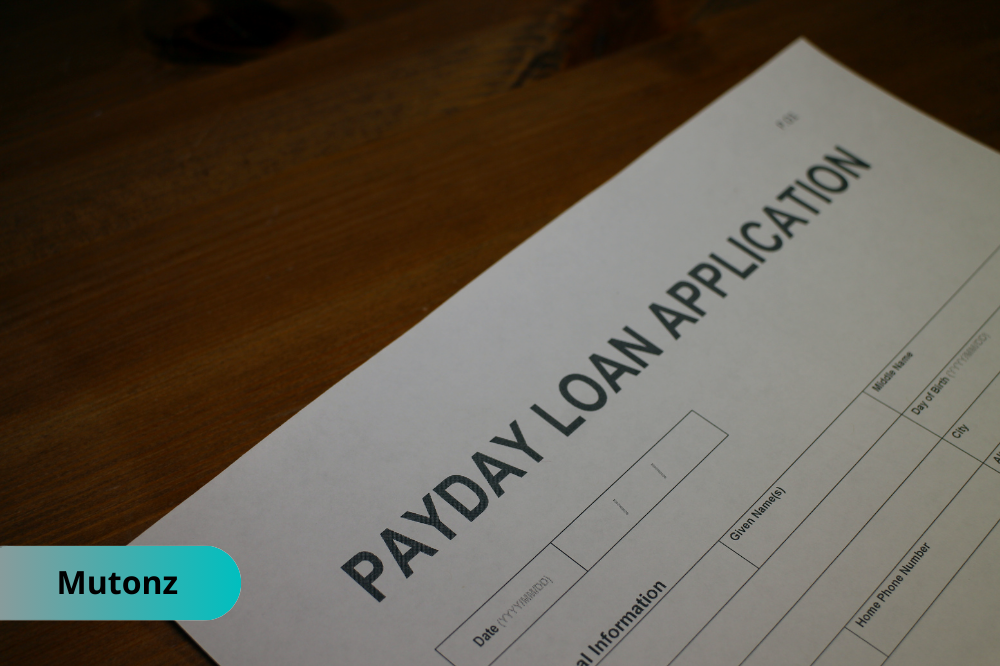
A payday loan is a short-term, high-cost loan, usually for a relatively small amount. Many lenders design these loans to be repaid when the borrower receives their next paycheck, although terms vary by lender and state. The CFPB notes that payday loans are often $500 or less.
The lender may require authorization to withdraw the repayment directly from a bank, credit union or prepaid card account. Some lenders offer these loans online, while others provide them through physical stores.
The key issue is not simply how much you can borrow. It is whether you can repay the full amount without creating another shortfall.
How Much Does a Payday Loan Cost?
Payday lenders commonly charge a finance fee instead of presenting the cost only as a conventional interest rate.
According to the CFPB, lenders can charge fees ranging from $10 to $30 for every $100 borrowed, depending on the lender and applicable state rules. A $15 fee per $100 is a common example.
For example, a hypothetical loan charging $15 per $100 would look like this:
| Amount borrowed | Finance charge | Total due |
|---|---|---|
| $100 | $15 | $115 |
| $200 | $30 | $230 |
| $300 | $45 | $345 |
| $400 | $60 | $460 |
| $500 | $75 | $575 |
These numbers illustrate the fee structure only. Your actual cost depends on the lender, loan terms and state regulations.
Other charges can also apply, including late-payment or returned-payment fees.
Why Is the APR So High?
The short repayment period is a major reason the annual percentage rate can look extremely high.
For example, a $15 fee on a $100 loan due after two weeks represents a 15% charge over that short period. Annualized, that works out to an APR of almost 400%.
APR is useful because it provides a common way to compare borrowing products with different repayment periods.
However, when evaluating a short-term loan, also look at the actual dollar amount you will have to repay and when that money will leave your budget.
What Happens If You Cannot Repay It?
The biggest risk is that the original due date arrives before you have enough money to cover the balance.
Depending on the state and lender, the lender may offer you a renewal or rollover. This can extend the repayment date, but it may require another fee while leaving the original principal outstanding.
For example:
- You borrow $300.
- The initial fee is $45.
- You cannot repay the $300 when it is due.
- You pay another fee to extend the loan.
- The principal remains outstanding.
Repeating this cycle can make the total cost grow without solving the underlying cash shortage.
State rules differ, and some states require lenders to provide extended repayment options.
Is a Payday Loan Ever Worth It?
A payday loan may appear reasonable when you have a genuine emergency, need a small amount quickly and have a reliable way to repay the full balance on time.
Before borrowing, ask yourself three questions:
- How much will I repay in total?
- Exactly when will the money leave my account?
- Will I still be able to cover essential expenses afterward?
If the answer to the third question is no, the loan may simply postpone the problem until the next paycheck.
The CFPB recommends considering alternatives before using this type of short-term credit.
When Should You Avoid One?
Be especially cautious if you need the money for a recurring expense.
A short-term loan is unlikely to solve a budget gap that happens every month. It can also create additional pressure if you are already struggling with other debt.
Think twice if you are borrowing to:
- pay another loan;
- cover a recurring bill;
- make a credit card payment;
- fund everyday living expenses;
- repay a previous short-term loan.
A one-time emergency and a persistent budget deficit require very different solutions.
What Are the Alternatives?
Before applying, check whether you have another way to handle the expense.
Ask the biller for more time
If you need the money for rent, utilities, medical expenses or another bill, contact the company before you miss the payment. An extension or payment arrangement may cost less than a high-cost loan.
Check with a credit union
Credit unions may offer small personal loans with more manageable terms. Some federal credit unions also offer Payday Alternative Loans (PALs) designed as alternatives to traditional payday borrowing.
Consider a personal installment loan
A personal loan may give you a longer repayment period and fixed payments. Compare the APR, fees and total repayment amount before choosing one.
Ask about employer assistance
Some employers offer paycheck advances or emergency assistance programs. Availability varies, so check what your employer provides and whether there is a cost.
Look for local assistance
Nonprofit organizations and community programs may provide help with essential expenses. The CFPB recommends checking community resources when facing an immediate financial need.
Use available savings carefully
If you have an emergency fund, using part of it may be less expensive than taking on high-cost debt. Keep enough available for other urgent needs whenever possible.
How to Compare a Payday Loan With Other Options
Do not compare offers based only on the amount of the payment.
Look at the full picture:
| Factor | What to check |
|---|---|
| Amount received | How much money actually reaches you |
| Finance charge | Upfront cost of borrowing |
| APR | Annualized borrowing cost |
| Total repayment | Amount you will ultimately pay |
| Due date | When the full payment is expected |
| Late fees | Cost of missing the deadline |
| Renewal rules | Whether the loan can be extended |
| Payment method | How the lender will collect the money |
The CFPB recommends considering APR when comparing different credit products because it provides a standardized measure of borrowing costs.
What Should You Check Before Signing?
If you decide that short-term borrowing is your only practical option, read the agreement carefully.
Confirm:
- the amount you receive;
- the total amount due;
- the finance charge;
- the APR;
- the exact repayment date;
- any late or returned-payment fees;
- whether automatic withdrawals are authorized;
- the rules for extensions or renewals.
For online lenders, also check how your personal and financial information will be handled. The CFPB recommends reviewing the cost, repayment terms and consequences of nonpayment before accepting an online payday loan.
How Does It Affect Your Credit?
Taking out a payday loan generally does not help establish a positive credit history.
The CFPB says payday lenders generally do not report these loans to the three major national credit reporting companies, so successfully repaying one typically will not improve your credit score.
The situation can change if the debt becomes seriously delinquent and is sent to collections. A collector may report the debt to the credit bureaus.
Are Payday Loans Legal Everywhere?
No. Regulations vary considerably across the United States.
Some states prohibit payday lending, while others limit loan amounts, fees, repayment periods or renewals.
Federal protections also apply to certain servicemembers and their dependents under the Military Lending Act. Covered borrowers generally receive a 36% cap on the Military Annual Percentage Rate for covered consumer credit transactions, along with additional protections.
Because the rules depend on location, check your state’s financial regulator or attorney general for the requirements that apply to you.
What If You Already Have One?
If you already took out a loan and are worried about repayment, do not automatically take out another one to cover the balance.
Instead:
- Check the exact amount due.
- Contact the lender before the due date if you expect trouble paying.
- Ask whether an extended repayment plan is available.
- Find out what additional fees would apply.
- Check whether your state gives you specific repayment protections.
If an automatic withdrawal fails because your account does not have enough money, you could also face fees from the lender or your bank or credit union.
The Bottom Line
A payday loan can solve an immediate cash shortage, but its high fees and short repayment window make it one of the more expensive forms of short-term borrowing.
It may seem manageable when viewed as a single fee, but the cost becomes more significant if you need an extension or cannot repay the balance on time.
Before borrowing, compare the total repayment amount with alternatives such as a credit union loan, payment arrangement, employer assistance or other forms of credit. If the loan would leave you unable to cover your basic expenses at the next paycheck, look for another solution.
Frequently Asked Questions
How much can you borrow?
There is no single nationwide limit. Payday loans are generally small, often $500 or less, but state laws may establish different maximums.
How long do you have to repay?
Traditional payday loans are commonly due on the borrower’s next payday, often within a few weeks. The exact period depends on the agreement and state law.
Do payday lenders check your credit score?
Traditional payday lenders generally do not rely on the three major credit reporting companies when deciding whether to make a loan. Some lenders may use other methods to assess applicants.
Can you roll over a payday loan?
It depends on the lender and state. Some jurisdictions allow renewals while others restrict or prohibit them. An extension can add another fee without reducing the original principal.
What is usually cheaper than a payday loan?
There is no universal answer, but options such as credit union loans, payment arrangements, employer assistance and some personal loans may offer more manageable costs. Compare the APR and total repayment amount before choosing.
What happens if you cannot pay on time?
You may face additional fees or other collection activity, depending on your agreement and state law. Contacting the lender early may help you identify available repayment options.
Should I use one to pay another debt?
Usually, that deserves serious caution. Borrowing again to cover an existing debt can create a cycle of payments and fees rather than solve the underlying shortage.