
Wondering if online banks are the right choice for your hard-earned money? You are not alone. Leaving behind the familiar brick-and-mortar branch for a digital-only experience can feel like a big leap. However, these modern platforms offer unique benefits that can help you keep more of your cash in your pocket.
This guide breaks down exactly how these digital financial institutions work. We will look closely at their security measures, explore their money-saving features, and highlight a few potential drawbacks. By the end, you will know exactly if making the switch makes sense for your financial goals.
What Exactly Are Online Banks?
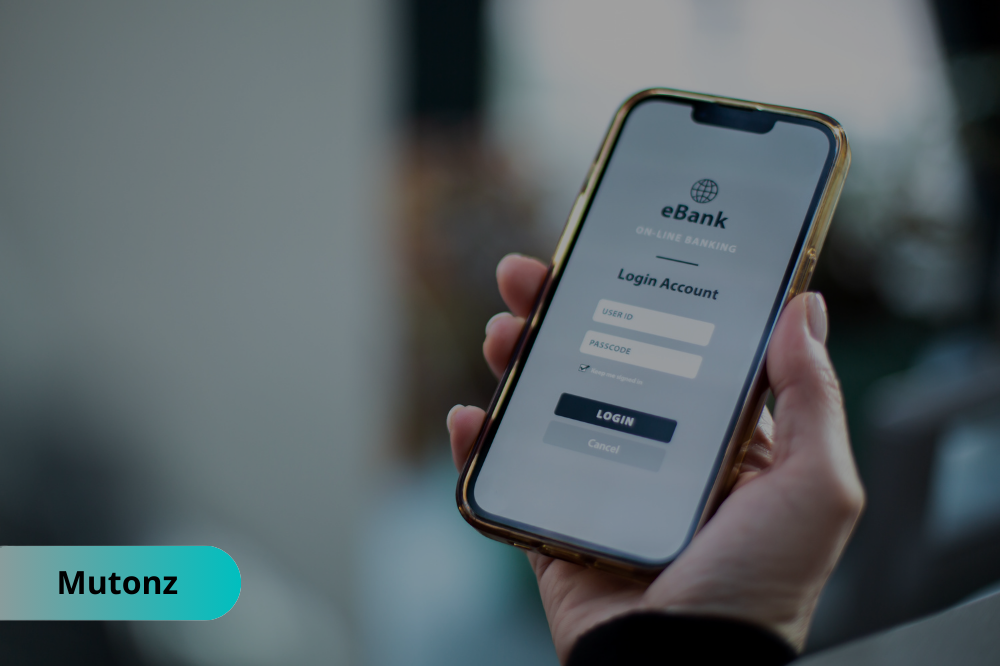
Online banks operate entirely on the internet through websites and mobile apps. They do not have physical branches you can walk into. Instead of chatting with a teller behind a glass window, you manage your money directly from your smartphone or computer.
Because they skip the costs of running physical buildings and paying branch staff, they save a lot of money on overhead. They often pass these savings directly to you. This means you get to enjoy fewer fees and better tools to manage your daily spending.
You can perform almost any standard financial task with a digital account. You can deposit checks by snapping a photo, pay your bills electronically, and transfer funds to friends or family in seconds.
Are Online Banks Safe for Your Hard-Earned Cash?
Security is the biggest concern most people have when switching to digital platforms. You want to know your money is protected if something goes wrong. Fortunately, reputable online banks offer the exact same level of financial protection as traditional neighborhood branches.
FDIC Insurance Protects Your Money
The most important feature to look for is Federal Deposit Insurance Corporation (FDIC) insurance. When you use FDIC-insured online banks, the federal government protects your deposits up to $250,000.
If the institution were to close or fail, you would not lose a single penny of your insured funds. Before you open any account, simply check the website footer or the mobile app details to verify they carry this standard federal protection.
Advanced Digital Security Keep Hackers Away
Beyond federal insurance, online banks use serious technology to keep your daily transactions secure. They rely on high-level data encryption, which scrambles your personal information so outsiders cannot read it.
They also offer tools you can control directly from your phone. You can set up instant text alerts for every purchase. If you lose your debit card, you can lock it immediately with a single tap in the app. Many platforms also require multifactor authentication, meaning nobody can log into your account without a special code sent to your personal phone.
Why Online Banks Might Be Totally Worth It
If you want to stretch your paycheck further, digital accounts offer some powerful advantages. Traditional branches often charge a variety of maintenance fees that slowly eat away at your balance. Digital platforms take a different approach.
Say Goodbye to Monthly Fees and Minimums
Many traditional checking accounts require you to keep a certain amount of money in the bank at all times. If your balance drops below that minimum, they hit you with a monthly maintenance fee.
The best online banks eliminate these hurdles completely. They usually offer accounts with zero monthly fees and zero minimum balance requirements. You do not have to worry about getting penalized just for having a lower balance right before payday.
Avoid Expensive Overdraft Charges
Accidentally spending more than you have in your account can trigger massive overdraft fees at a traditional branch. These fees often snowball, making it hard to catch up.
Many online banks have completely eliminated overdraft fees. Instead of charging you $35 for a small mistake, they simply decline the transaction or offer a small, fee-free buffer to cover the difference. This feature alone can save you hundreds of dollars a year.
Access Massive ATM Networks
You might worry that without a local branch, you will not be able to get cash when you need it. Surprisingly, online banks often provide better ATM access than local branches.
They typically partner with massive national ATM networks located inside popular convenience stores, pharmacies, and grocery stores. This means you can easily withdraw cash without paying out-of-network fees. Some will even refund the fees charged by other operators at the end of the month.
The Downsides of Using Online Banks
While the benefits are strong, digital platforms are not perfect for every situation. You should understand the limitations before you decide to move your money.
Depositing Cash Can Be Frustrating
If you work for tips or frequently get paid in cash, online banks can present a challenge. You cannot simply hand a stack of bills to a teller.
To deposit cash, you usually have to visit a partner retail store. You hand the cash to the cashier, and they load it onto your debit card. Sometimes this process is free, but some retailers charge a small fee for the service. Alternatively, you might have to deposit cash into a traditional account first and then transfer it over.
No In-Person Customer Support
Sometimes you just want to sit down across a desk from a real person to solve a problem. With online banks, you have to rely on phone support, email, or live chat.
While many offer fantastic 24/7 customer service, resolving complex issues over the phone can occasionally feel frustrating. If you highly value face-to-face interactions for your financial questions, a digital-only option might take some getting used to.
Your Next Step Toward Smarter Banking
Switching to a digital account is a simple move that can keep more money in your control. By eliminating surprise fees, dropping minimum balance rules, and offering top-tier security, these modern platforms make managing your daily expenses much less stressful. You get the freedom to handle your finances anywhere, at any time, right from the palm of your hand.
If you are tired of paying just to keep your own money in an account, it might be time to give a digital platform a try. You can always start small by opening a free account, moving a portion of your funds over, and testing out the mobile app to see if it fits your lifestyle.
 Is investing worth it with a small budget?
  How Interest Rates Affect Your Debt Over Time
  7 Mistakes That Can Hurt Your Credit Score