
Making the credit card minimum payment can keep your account current, but it may take much longer to pay off your balance. When you carry debt from one month to the next, interest can continue to add to what you owe.
The longer you carry that balance, the more expensive your original purchase can become. Here’s how minimum payments work, what they can cost, and how to pay off your credit card faster.
What Is a Credit Card Minimum Payment?
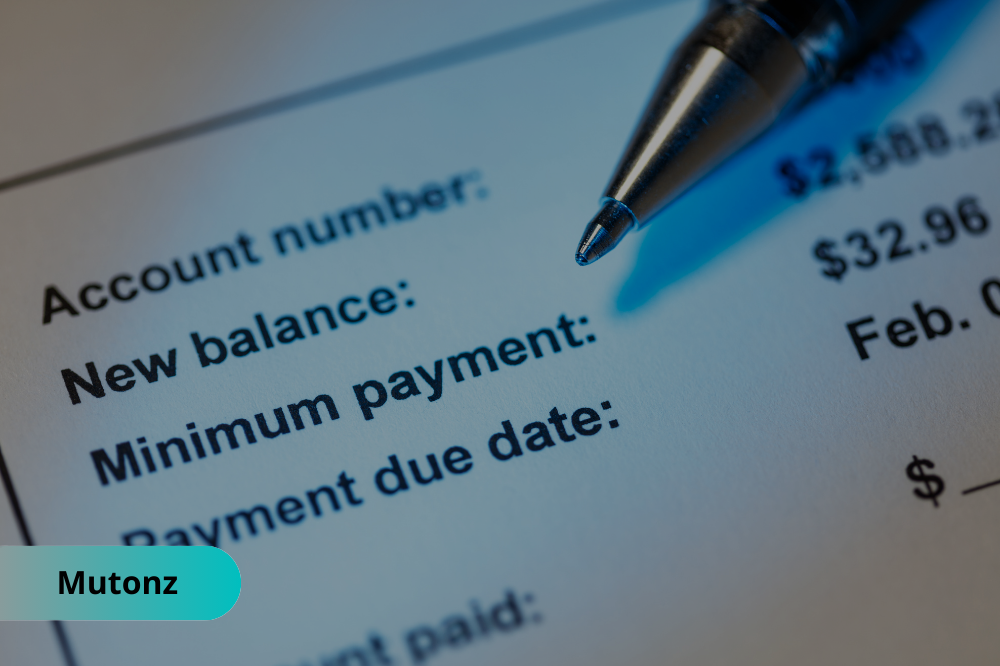
The minimum payment is the smallest amount your credit card company requires you to pay by the due date each month.
You can find it on your monthly statement, along with your balance, due date, and other information about your account.
Paying at least this amount on time helps you avoid being considered late. However, it does not mean you are paying off the full balance.
Why Does the Minimum Payment Take So Long?
The biggest reason is that your payment may cover interest and only part of the balance.
When you carry a balance, your credit card company can charge interest according to the terms of your account. Many credit cards calculate interest using a daily periodic rate, so interest can build as long as you carry a balance.
This can make a relatively small monthly payment less effective than it seems.
For example, if you owe $2,000, a $60 payment does not reduce the balance by the full $60 if part of that payment goes toward interest or fees.
How Much Can Minimum Payments Cost?
There is no single answer because the cost depends on your balance, APR, minimum payment formula, and how long you take to repay the debt.
Your credit card statement can help you see the difference.
Federal rules generally require credit card statements to show how long it could take to pay off your current balance if you make only the minimum payments. They also generally include an estimate of the monthly payment needed to pay off the balance within 36 months.
What to look for on your statement
Check for:
- Current balance
- APR
- Minimum payment
- Estimated payoff time
- Estimated total cost
These numbers can show how much a slower repayment plan could cost.
What Happens When You Pay Only the Minimum?
The consequences go beyond taking longer to repay the balance.
You may pay more interest
A balance that remains unpaid gives interest more time to accumulate.
Your available credit may stay limited
A large balance can use a significant portion of your available credit, leaving less room for new purchases.
New purchases can slow your progress
If you continue using the card while paying down the balance, your debt may not fall as quickly.
Financial flexibility can shrink
A large balance can make it harder to handle unexpected expenses or other financial goals.
Paying only the minimum is not automatically a problem. It becomes more costly when it continues month after month.
Is It Better to Pay the Minimum or the Full Balance?
If you can afford it, paying your full statement balance by the due date is generally the least expensive option for purchases when your card has a grace period.
A grace period can allow you to avoid interest on purchases when you pay the balance in full by the due date.
The difference is simple:
Minimum payment:
You pay part of what you owe and generally carry the remaining balance into the next billing cycle.
Full statement balance:
You pay the amount shown on your statement and may avoid interest on purchases if your card’s grace period applies.
Check your card agreement because grace period rules can vary.
How to Pay Off Your Credit Card Faster
If paying the full balance is not realistic right now, focus on paying more than the minimum whenever your budget allows.
A simple approach
- Check your current balance and APR.
- Set a monthly payment that is higher than the minimum.
- Avoid unnecessary new charges.
- Keep making payments on time.
- Increase your payment when your budget allows.
You do not have to make a huge payment all at once. A consistent amount above the minimum can help reduce the balance faster.
What If You Have More Than One Credit Card?
If you have balances on several cards, look at the APR on each one.
One common approach is to make at least the required payment on every card and put extra money toward the balance with the highest APR.
For example:
- Card A: 29% APR
- Card B: 22% APR
- Card C: 18% APR
You could keep making the required payments on all three and direct extra money toward Card A.
Once that balance is paid off, you can move the extra payment to the next card.
Should You Stop Using Your Credit Card?
If you are struggling to reduce a balance, limiting new purchases can make repayment easier.
Otherwise, you may be trying to pay down your existing debt while adding new charges at the same time.
Before making another purchase, ask:
- Do I need it right now?
- Can I pay for it without increasing my balance?
- Am I already paying interest on this card?
- Could I wait until the balance is lower?
You do not necessarily need to stop using every credit card. The goal is to avoid adding debt faster than you can repay it.
What If You Cannot Afford More Than the Minimum?
Sometimes the minimum payment is already difficult to manage.
If you expect to have trouble making your payment, contact your credit card company as soon as possible. Explain your situation and ask whether the company has payment options or assistance programs available.
You can also consider working with a reputable nonprofit credit counselor if you need help creating a repayment plan.
The important thing is to act early, before the problem becomes harder to manage.
How Can You Reduce the Cost of Credit Card Debt?
Paying more is not the only strategy you can consider.
Depending on your situation, you may be able to:
- ask your card issuer whether a lower APR is available;
- transfer a balance to a card with a lower promotional rate;
- stop adding new charges;
- prioritize your highest-interest balance;
- look into a hardship program if you are struggling to pay.
Each option has different rules and potential costs, so compare the terms before making a change.
A Smarter Way to Use Your Credit Card
The credit card minimum payment can help you keep your account current when you cannot pay the full balance. But using it as your regular long-term payment can make debt more expensive and take much longer to clear.
Start by checking your statement to understand your current balance, APR, and estimated repayment time. Then choose the largest monthly payment you can realistically maintain.
Even small changes to your payment strategy can help you make faster progress toward becoming debt-free.
Frequently Asked Questions
What happens if I only make the minimum payment on my credit card?
You can keep your account current as long as you make the required payment by the due date. However, you will generally carry a balance and may continue paying interest.
Is it bad to only make the minimum payment?
Not necessarily. Making the minimum on time is better than missing a payment. However, relying on minimum payments for a long period can make your debt more expensive.
How long does it take to pay off a credit card with minimum payments?
It depends on your balance, APR, minimum payment formula, and other factors. Your monthly statement generally provides an estimate of how long repayment could take.
Does paying the minimum hurt your credit score?
Making the minimum payment on time is generally better for your credit than missing a payment. However, carrying a high balance can increase your credit utilization, which can affect your credit score.
Can I pay more than the minimum payment?
Yes. You can generally pay any amount up to your current balance. Paying more than the minimum can reduce your balance faster and may lower the interest you pay over time.
What should I do if I cannot afford my minimum payment?
Contact your credit card company as soon as possible. Explain your situation and ask whether it offers payment assistance or other options. You may also consider reputable credit counseling.
Does paying the full balance avoid interest?
If your card has a grace period and you pay the full statement balance by the due date, you can generally avoid interest on purchases. Check your card agreement because grace period rules can vary.