
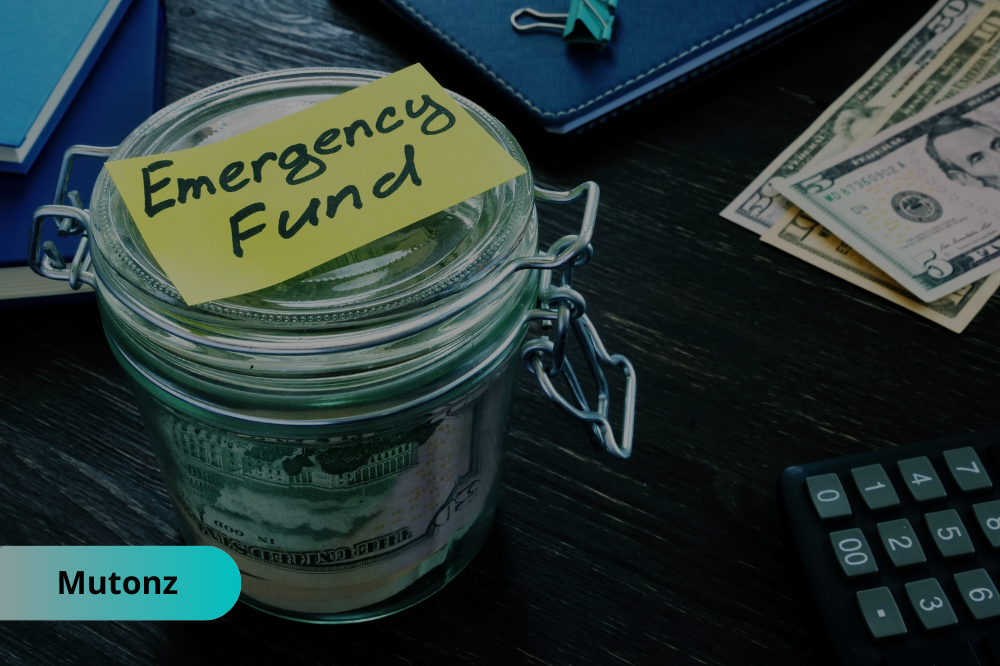
Building an emergency fund is one of the most effective ways to prepare for unexpected expenses. Whether it's a medical bill, car repair, or temporary job loss, having money set aside can help you avoid relying on high-interest debt.
In this guide, you'll learn six practical tips to build a stronger financial safety net while creating sustainable saving habits that fit your budget.
What is an emergency fund?
An emergency fund is money reserved specifically for unexpected financial situations.
Unlike savings for vacations or major purchases, this fund should only be used for genuine emergencies, such as:
- unexpected medical expenses;
- urgent home or car repairs;
- temporary loss of income;
- other essential expenses that cannot be postponed.
Many financial experts recommend saving enough to cover three to six months of essential living expenses. However, starting with a smaller goal is often more realistic than waiting until you can save a large amount.
1. Set a realistic savings goal
Trying to save several months' worth of expenses immediately can feel overwhelming.
Instead, begin with an achievable milestone, such as saving $500 or $1,000. Reaching smaller goals builds momentum and makes it easier to stay committed over time.
As your financial situation improves, you can gradually increase your target until your emergency fund covers several months of necessary expenses.
2. Automate your savings
One of the easiest ways to build an emergency fund faster is to make saving automatic.
Many banks allow you to schedule recurring transfers from your checking account to a savings account. By moving money shortly after each paycheck arrives, you reduce the temptation to spend it elsewhere.
Even modest automatic contributions can grow into a meaningful financial cushion when maintained consistently.
3. Save unexpected income
Windfalls can give your emergency fund a significant boost.
Whenever possible, consider saving part or all of:
- tax refunds;
- work bonuses;
- cash gifts;
- side hustle income;
- rebates or other unexpected payments.
Because this money is not part of your regular budget, directing it toward your emergency fund may have less impact on your everyday spending while helping you reach your goal sooner.
4. Reduce unnecessary expenses
Reviewing your monthly spending can reveal opportunities to save more without making drastic lifestyle changes.
Look for recurring expenses that provide little value or subscriptions you no longer use. You can also compare insurance premiums, phone plans, or streaming services to identify potential savings.
Redirecting even small amounts into your emergency fund each month can make a noticeable difference over time.
5. Keep your emergency fund separate
Storing your emergency savings in the same account you use for everyday spending makes it easier to dip into the money for nonessential purchases.
Instead, consider keeping your emergency fund in a separate high-yield savings account or another low-risk account that offers easy access when you truly need the funds.
This simple separation creates a psychological barrier that can help you avoid unnecessary withdrawals.
6. Increase your income when possible
Cutting expenses is only one side of the equation. Finding ways to earn additional income can accelerate your savings even more.
Depending on your situation, you could consider:
- freelance work;
- part-time jobs;
- selling unused items;
- seasonal work;
- monetizing a hobby or skill.
Even temporary extra income can significantly increase the amount you contribute to your emergency fund.
Common mistakes that slow down an emergency fund
Some habits can make it harder to reach your savings goal.
Try to avoid:
- waiting until the end of the month to save;
- using the fund for planned purchases;
- stopping contributions after reaching a small milestone;
- keeping the money in investments that carry significant risk;
- setting unrealistic savings goals that become difficult to maintain.
Avoiding these mistakes helps your emergency fund continue growing steadily.
How much should your emergency fund cover?
There is no single amount that works for everyone.
A common recommendation is to save enough to cover three to six months of essential living expenses. However, people with irregular income or greater financial responsibilities may choose to build a larger reserve.
The most important step is to start saving consistently, even if your initial contributions are small.
Building an emergency fund takes consistency
Growing an emergency fund doesn't require perfect timing or a large paycheck.
Small, consistent contributions, combined with realistic goals and smart financial habits, can help you create a reserve that provides greater financial security when unexpected expenses arise.
 How to Get a Lower Interest Rate on a Loan
  7 Car Buying Mistakes That Cost You More
  8 Tips to Get Approved for a Credit Card