
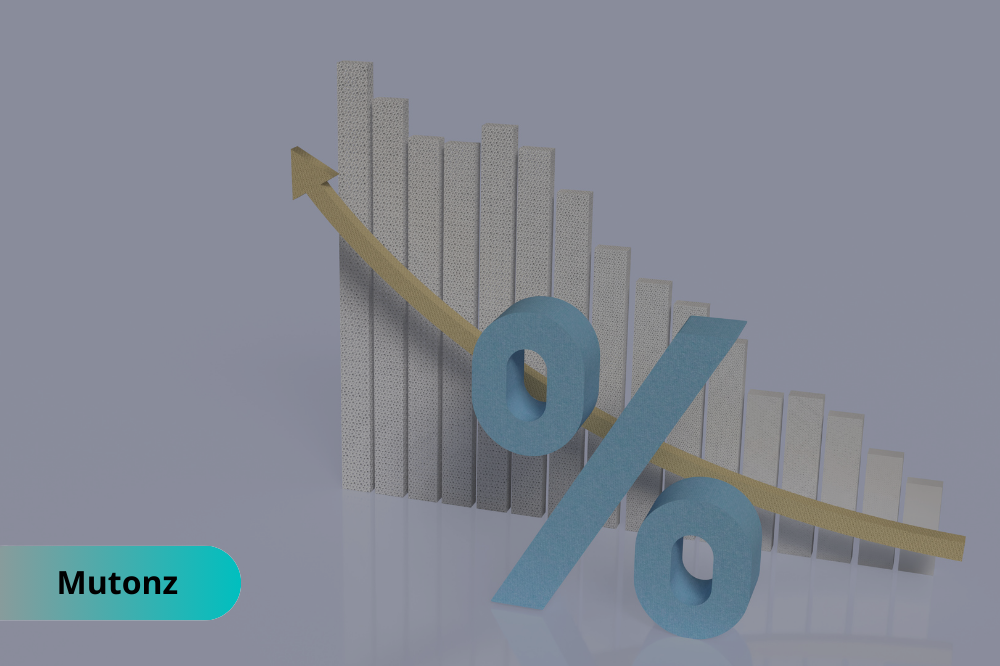
When you borrow money—whether it is through a credit card, a personal loan, or a car financing deal—the most important number you need to watch is not just the total balance. It is the cost of borrowing that money. Understanding how interest rates work is the secret to staying in control of your finances and avoiding a cycle of debt that feels impossible to break.
For many of us, a small loan can turn into a big problem if we only focus on the monthly payment. By looking at how interest rates behave over months and years, you can see exactly where your hard-earned money is going. This guide will break down the "hidden" costs of borrowing and show you how to protect your budget.
1. The Basic Language of Interest Rates
Before we look at the long-term impact, we need to define what we are dealing with. In simple terms, interest is the "rent" you pay to use someone else's money. The rate is usually expressed as an Annual Percentage Rate (APR).
APR vs. Monthly Interest
Even though interest rates are shown as a yearly percentage, most lenders calculate the interest you owe every single month (or even daily).
- High APR: Common in credit cards (often 20% to 30%). This makes debt grow very quickly.
- Low APR: Common in secured loans like mortgages or some auto loans. This makes the debt more manageable over time.
2. The Power of Compounding: Your Debt’s Secret Engine
The reason interest rates have such a huge impact over time is a process called "compounding." This is when the lender charges interest not just on the money you borrowed, but also on the interest that has already been added to your balance.
How Compounding Works Against You
Imagine you have a balance that you don't pay off completely. Next month, the bank calculates interest on that new, higher total.
- You start with a balance.
- Interest is added at the end of the month.
- Next month, you pay interest on the original balance plus the previous interest.
This creates a "snowball effect." If you aren't careful, the interest rates can cause your debt to grow faster than you can pay it off, especially if you are only making the minimum payments.
3. The Danger of the "Minimum Payment" Trap
Lenders often give you a "minimum payment" amount each month. While this keeps your account in good standing, it is often the most expensive way to handle debt. This is where interest rates do the most damage over time.
A Practical Example
If you have a $3,000 balance on a credit card with an 18% interest rate:
- Making only the minimum payment: It could take you over 10 years to pay it off, and you might end up paying more than $3,000 just in interest. You essentially pay for the item twice.
- Paying more than the minimum: Even an extra $20 or $50 a month goes directly toward the "principal" (the original amount), which reduces the base that the interest rates are calculated on.
Important Note: Always check if your loan has "prepayment penalties." Most modern consumer loans and credit cards do not, meaning you can pay them off early to save on interest without being charged a fee.
4. Fixed vs. Variable Interest Rates
Not all interest rates stay the same. Depending on your contract, the cost of your debt could change without you doing anything differently.
Fixed Rates
A fixed rate stays the same for the life of the loan. This is great for budgeting because you know exactly what your payment will be in two years or five years. Personal loans and many auto loans use fixed rates.
Variable Rates
Many credit cards and some home equity loans use variable interest rates. These are often tied to the "Prime Rate" set by the central bank. If the national economy changes and rates go up, your monthly interest charge will increase automatically. This can make a debt that was affordable last year feel very heavy this year.
5. How to Lower the Impact of Interest Rates
You are not powerless against high interest rates. There are several strategies you can use to reduce the amount of money you lose to interest over time.
- The Debt Avalanche Method: Focus on paying off the debt with the highest interest rate first while making minimum payments on the others. This saves you the most money in the long run.
- Debt Consolidation: If you have multiple high-interest debts, you might qualify for a single personal loan with a lower interest rate. This simplifies your payments and reduces the "rent" you pay on your money.
- Balance Transfers: Some credit cards offer a 0% introductory interest rate for 12 or 18 months. If used carefully, this allows you to pay off the principal without any interest rates slowing you down.
- Call Your Lender: Sometimes, simply calling your credit card company and asking for a lower rate—especially if you have a history of on-time payments—can result in a reduction.
6. Interest Rates and Your Credit Score
There is a direct link between your credit score and the interest rates you are offered. A higher score tells lenders that you are a "low-risk" borrower, so they reward you with lower rates.
By paying your bills on time and keeping your balances low, you improve your score. Over time, this allows you to refinance old, expensive debt into new, cheaper loans. This "financial upgrade" can save the average person thousands of dollars over their lifetime.
Taking Control of Your Financial Future
Understanding how interest rates affect your debt is like learning the rules of a game. Once you know how the system works, you can make better choices.
Debt is a tool, but like any tool, it must be used with caution. By focusing on the total cost of interest rather than just the monthly payment, you can keep more of your money in your pocket and reach your financial goals faster. Remember: every dollar you don't pay in interest is a dollar you can use for your family, your savings, or your future.
 Joint Bank Account: Pros, Cons, and When It Makes Sense
  The Hidden Costs of Homeownership in 2026
  What Is a Secured Loan and How Does It Work?